What If Your Home Could Teach You to Save Energy Without Lifting a Finger?
Imagine coming home after a long day, only to realize your lights have been on since morning—or that your AC has been cooling an empty house for hours. We’ve all been there. What if, instead of guessing where energy slips away, your home quietly showed you exactly how to fix it—effortlessly? Not through complicated gadgets, but through smart, simple insights that help you save money, protect the planet, and feel more in control. This isn’t futuristic fantasy—it’s already possible, and it might be changing your life without you even noticing.
The Quiet Energy Leak in Everyday Life
You know that moment when you walk into a room and suddenly remember you left the iron on? Or worse—when you get your electricity bill and wonder, "What exactly happened this month?" It’s not that we’re careless. We’re just busy. Between school drop-offs, work deadlines, and trying to squeeze in a few quiet minutes before bed, who has time to play energy detective? But here’s the truth: most of us are losing money every day in ways we don’t even see. That lamp left on in the guest room. The coffee maker that stays plugged in for days. The TV that runs in the background while everyone’s outside playing. These aren’t big, dramatic mistakes—they’re tiny leaks in the bucket, and over time, they drain both your wallet and your peace of mind.
I remember one winter morning, rushing my kids out the door, coats half-zipped, lunches in hand. The house was a whirlwind—lights on in every room, the bathroom fan still humming from my morning routine, the living room TV flickering with cartoons no one was watching. It wasn’t until that night, when I passed by the thermostat and noticed it was still set to 72°, that I realized I’d heated an empty house for seven hours. I felt a mix of frustration and guilt. Not because I couldn’t afford it—though the bill did sting—but because it felt like I’d lost a little control. And I know I’m not alone. So many women I talk to—moms, caregivers, working professionals—feel the same. We want to do better, but we’re already stretched thin. The good news? You don’t have to be perfect. You don’t even have to remember everything. What if your home could help you notice these things—not by nagging, but by gently showing you where you can make a difference?
How Energy Monitoring Works—Without the Tech Talk
Let’s be honest—when we hear words like "smart meter" or "energy monitoring," our eyes might glaze over. It sounds like something an engineer would care about, not a mom trying to keep dinner on the table. But here’s the secret: this isn’t about becoming a tech expert. It’s about giving your home a little awareness, like giving it a quiet voice that says, "Hey, did you know...?" Think of it like a fitness tracker, but for your house. You wear a step counter to understand your movement. Why not let your home track its energy use so you can understand it better too?
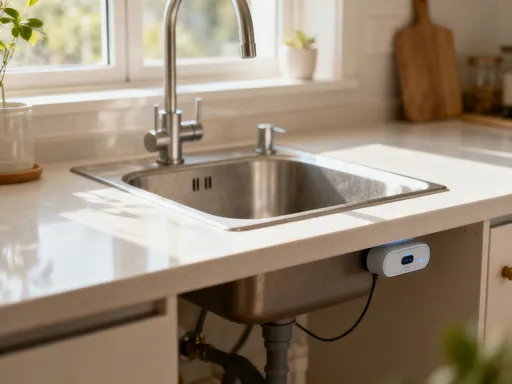
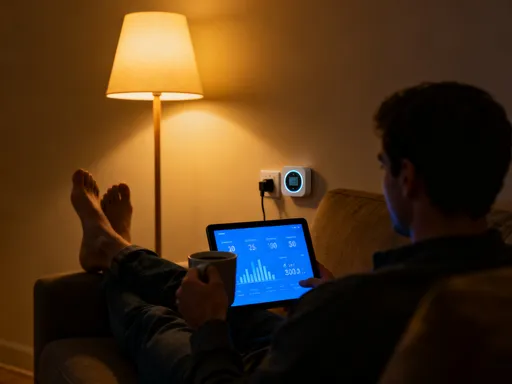
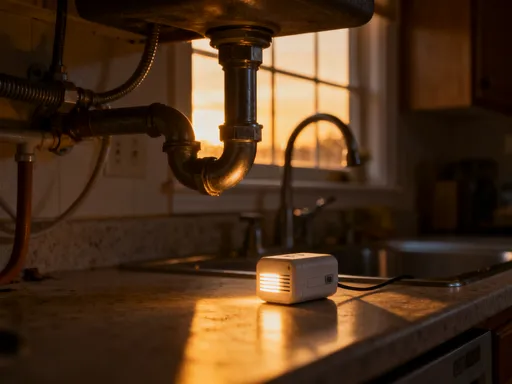
Modern energy monitors work in simple, unobtrusive ways. Some plug directly into an outlet and show you how much power a single appliance uses. Others connect to your home’s electrical panel and give you a full picture of what’s happening in real time. The best part? You don’t need to stare at charts or decode graphs. These systems learn your habits and send friendly alerts—like a text that says, "Your oven was on for two hours after dinner—maybe it was left on by accident?" Or a notification that reads, "Your dryer cycle took 45 minutes longer than usual—time to check the lint filter?" These aren’t warnings. They’re helpful nudges, like having a thoughtful friend who notices things you’re too busy to catch.
And the setup? Easier than you’d think. Most devices come with clear instructions, and many work with your existing Wi-Fi. No drilling, no rewiring. Within minutes, you can start seeing how your home uses energy. One woman I spoke with—Jen, a nurse and mom of two—told me she installed a plug-in monitor on her space heater and discovered it was using more power than her refrigerator. "I had no idea," she said. "I thought I was just staying warm. Turns out, I was also heating my electric bill." Once she saw the data, she switched to layering blankets and wearing cozy socks—simple changes that saved her over $30 a month. That’s not just money back in her pocket. That’s peace of mind.
At Home: Helping Families Live Smarter Together
Here’s something beautiful that happens when you start paying attention to energy use: it becomes a family conversation. Not in a scolding way—"You left the lights on again!"—but in a collaborative, almost playful way. When my nephew visited last summer, he was fascinated by the little monitor on his nightstand that showed how much power his tablet charger used overnight. "It’s like a game," he said. "Can I get it to zero?" And just like that, he unplugged it without being asked. That’s the kind of shift we’re talking about—not rules, but curiosity.
Families who use energy monitoring often find it becomes a tool for teaching—gentle, real-life lessons about responsibility, resourcefulness, and care for the world. One mom told me she turned it into a weekly challenge: "Let’s see who can reduce the kitchen’s energy use the most." Her kids started turning off the under-cabinet lights, remembering to close the fridge quickly, even suggesting meatless meals that required less cooking time. They weren’t just saving energy—they were learning to think ahead, to notice cause and effect, to feel proud of their choices.
And it’s not just for kids. Grandparents appreciate the comfort of a warm home without the shock of a high bill. One woman shared how her mother, living alone, used a simple monitor to adjust her heating schedule. She discovered she could keep the house cozy in the evenings without running the furnace all day. "She feels more in control," her daughter said. "And honestly, so do I. I worry less about her being cold or going broke." That’s the quiet power of this technology—it doesn’t replace care. It supports it.
For Students and Remote Workers: Focused Spaces, Lower Costs
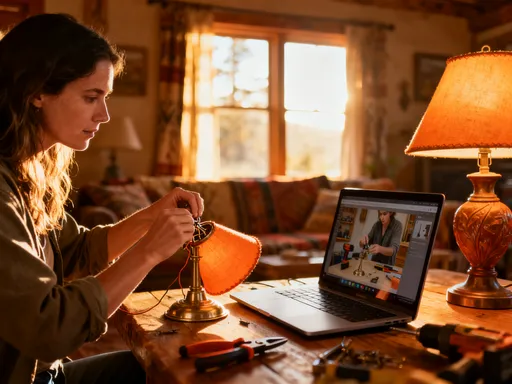
If you’re studying or working from home, your environment matters more than ever. But did you know that your workspace might be costing you more than just time? A college student in Ohio told me she noticed her energy use spiked every evening—right when she was studying for exams. She plugged a monitor into her desk setup and discovered her lamp, laptop, and mini-fridge were pulling more power than she expected. "I thought I was just burning the midnight oil," she laughed. "Turns out, I was also burning through electricity."
Once she saw the numbers, she made small changes: switching to a lower-wattage LED lamp, unplugging her mini-fridge when not in use, and setting a bedtime routine that included powering down all devices. Not only did her energy bill drop, but she also started sleeping better. "I didn’t realize how much that blue light was affecting me," she admitted. "Now, when my lamp turns off, it’s like a signal: time to wind down."
For remote workers, the story is similar. That "always-on" office setup—laptop, monitor, printer, desk fan, phone charger—can quietly add up. One woman who runs a small online business realized her home office was using as much energy as her entire kitchen. She started using smart plugs that automatically cut power at 8 p.m. "It’s like a digital curfew," she said. "It helps me close the workday and be present with my family." These aren’t just savings on a bill. They’re gains in focus, in balance, in well-being. When your environment supports you, you work better, rest better, live better.
Renters and Small Spaces: Saving Without Ownership
You don’t need to own a home to benefit from energy awareness. In fact, renters often stand to gain the most—because they’re usually the ones paying the bills without having control over insulation, windows, or appliances. But here’s the good news: you don’t need to renovate to save. You just need to understand.
Plug-in energy monitors are perfect for apartments and rental homes. They’re portable, affordable, and don’t require any permanent changes. One young woman in Chicago used a monitor to track her old refrigerator—a hand-me-down from her parents. She discovered it was using nearly twice the energy of a modern model. "I couldn’t replace it right away," she said, "but knowing the numbers helped me talk to my landlord about an upgrade. And in the meantime, I started keeping it fuller—apparently, that helps it run more efficiently." Small insights, big impact.
Others use monitors to split utility costs fairly. In a shared apartment, one roommate might be using a mini-fridge, space heater, and gaming console—all energy hogs. Instead of guessing or arguing, they plug each device into a monitor and see exactly who’s using what. "It took the tension out of the conversation," one woman said. "We could talk about it calmly, based on data, not blame." And for those in small spaces, where every square foot counts, understanding energy use helps make smarter choices—like opting for a radiant heater instead of cranking the thermostat, or using a microwave instead of an oven to save both time and power.
The Ripple Effect: From Bills to Mindset
The most surprising thing people report isn’t just the money they save—it’s how they start to feel. Calmer. More in control. More intentional. One woman told me, "I used to dread opening my electricity bill. Now, I kind of look forward to it. I want to see if we did better this month." That shift—from anxiety to anticipation—is powerful. It’s not about perfection. It’s about progress that feels personal.
Energy monitoring does something subtle but profound: it teaches us to notice. Not just about power, but about our habits, our rhythms, our choices. We start to see patterns—not just in how we use electricity, but in how we live. A mom in Texas shared how tracking her laundry schedule helped her discover she felt less overwhelmed when she spread chores across the week instead of cramming them into one day. "The monitor didn’t just help me save energy," she said. "It helped me save my sanity."
There’s also a quiet pride that comes with making thoughtful choices. One retiree told me he started sharing his monthly energy reports with his daughter. "She thinks it’s cute," he said, smiling. "But I feel good knowing I’m not wasting what I’ve worked for." These small wins build confidence. They remind us that we can make a difference—even in a world that often feels too big to change. And when we feel capable at home, that strength spills over into everything else.
Making It Yours: Simple Steps to Start Today
If you’re wondering where to begin, here’s the best part: you don’t need to do everything at once. In fact, starting small is the most effective way. Pick one room. One appliance. Just one thing you’d like to understand better. Maybe it’s your coffee maker. Maybe it’s your home office setup. Plug in a simple monitor—many cost less than $30—and watch for a few days. Notice when it turns on, how long it runs, what happens when you unplug it. No pressure. Just curiosity.
When you get alerts or insights, don’t treat them like homework. Think of them as friendly tips—like a note from a neighbor who cares. If you see that your TV uses power even when it’s "off," try plugging it into a smart strip that cuts power completely. If your water heater shows high usage in the mornings, experiment with lowering the temperature by a few degrees. You might not notice the difference, but your bill will.
And remember: this isn’t about being perfect. It’s about being aware. It’s about creating a home that works with you, not against you. A home that helps you save, yes—but also helps you breathe easier, feel calmer, live with a little more grace. The technology isn’t flashy. It doesn’t demand your attention. It simply helps you see what was already there. And sometimes, that’s all we need to make a change that lasts.