Detected 3 Hidden Leaks Before Disaster: How One Sensor Gave Me Back My Peace of Mind
You know that nagging worry—leaving the house and wondering, “Did I turn off the water?” I used to stress every time I traveled. Then a small sensor changed everything. It’s not about high-tech gadgets; it’s about trust, safety, and reclaiming your calm. This isn’t a story of complex tools, but of one simple device that helped me protect my home and feel more in control than ever before. I didn’t realize how much mental energy I was spending on invisible fears until they were gone. Now, when I head out for a weekend trip or even just to run errands, I walk away without that tightness in my chest. That shift didn’t happen overnight—but it started with one decision: to stop guessing and start knowing.
The Moment I Realized My Home Wasn’t as Safe as I Thought
It was a beautiful Saturday morning when I left for a short family getaway. The sun was shining, the kids were laughing, and I felt that rare sense of lightness—like I’d finally caught up on everything. Dishes done, laundry folded, house locked. But halfway through our drive, my phone buzzed. Not a text. Not a call. An alert: “Water flow detected in basement.” My stomach dropped. I hadn’t left any taps running. No one was home. I called my husband, who turned the car around immediately while I tried to stay calm with the kids in the backseat. “It’s probably nothing,” I kept saying, but my hands were shaking.
When we got home, the scene was heartbreaking. The washing machine hose had burst while we were gone, spraying water for hours. The carpet was soaked, the drywall was bubbling, and the smell of damp insulation filled the air. We spent the next three days pulling up flooring, running fans, and calling insurance. The damage cost over $8,000—and that didn’t include the stress, the lost time, or the shattered feeling that my home wasn’t as safe as I believed. I thought I was careful. I checked the hoses once a year. I turned off the water when we went on vacation. But this wasn’t about carelessness. It was about something invisible—something I couldn’t see until it was too late.
That moment changed how I thought about home safety. I realized I’d been relying on memory and routine, not real protection. And worse, I wasn’t alone. When I mentioned it to friends, two others had similar stories—burst hoses, slow leaks under sinks, water heater failures. One woman told me she didn’t know her dishwasher had been leaking for weeks until she noticed a musty smell. These weren’t disasters from neglect. They were silent, hidden threats that could happen to anyone. That’s when I made a promise to myself: I wouldn’t wait for another scare. I needed something that could see what I couldn’t.
From Panic to Prevention: Discovering Water Leak Detectors
I started digging. Not for expensive whole-home systems—those were out of reach for my budget—but for something simple, reliable, and easy to use. That’s when I found water leak detectors. Small, disc-shaped sensors you place on the floor near appliances. They work quietly in the background, checking for moisture 24/7. If they sense even a tiny amount of water, they send an instant alert to your phone. No waiting. No guessing. Just a notification that says, “Hey, something’s wrong—go check.”
I read reviews, compared features, and even joined a few online groups for homeowners. Most detectors use Wi-Fi or a bridge system to connect to your home network. Some make a loud sound, others just send a message. I wanted one that did both—because what if I wasn’t home? I tested three different models. One had a complicated app. Another kept sending false alarms. But the third—one from a well-known brand I already trusted—was different. It set up in under ten minutes. No wiring. No drilling. Just place it, connect it to the app, and it starts working. The first time it sent a test alert, I jumped. But then I laughed. Because for the first time, I wasn’t the one chasing the problem. The problem was coming to me.
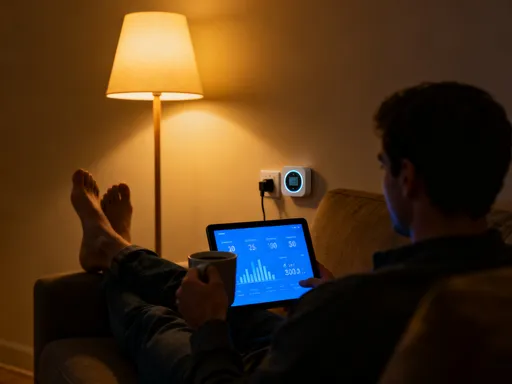
What surprised me most was how much it changed my mindset. Before, I felt like I had to be everywhere at once—checking hoses, inspecting under sinks, worrying about the basement. Now, I had a partner. Not a replacement for me, but a helper. A little device that never sleeps, never forgets, and doesn’t get distracted by a phone call or a busy day. I started calling it my “peace of mind meter.” And the best part? It didn’t need to do anything dramatic to be valuable. Just being there, watching, was enough.
How a Tiny Device Transformed My Daily Routine
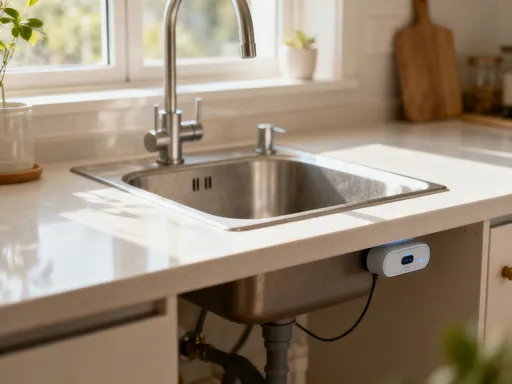
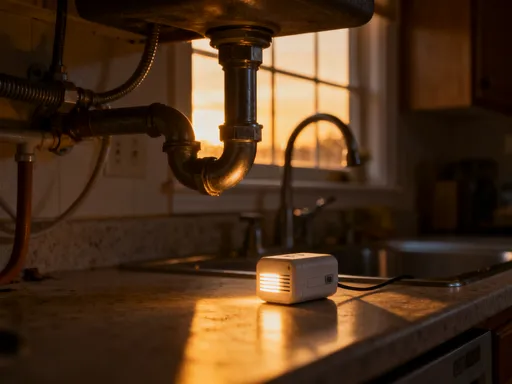
I placed the first sensor behind the washing machine—ground zero for my last disaster. Then I added one under the kitchen sink, another near the water heater, and a fourth in the bathroom where the kids always leave the sink dripping. They’re unobtrusive—white discs about the size of a coaster—sitting quietly where I can’t see them but know they’re working. I check the app once a day, just like I check the weather. And most days, it says “All clear.” But that one word—“clear”—means so much more than I expected.
Then, one Tuesday morning, my phone buzzed. “Moisture detected at kitchen sink.” I walked over. No puddle. No dripping. The sink was dry. I almost ignored it—until I remembered what the manual said: “Even small condensation or seepage can trigger an alert.” I pulled out the cabinet and looked closer. There, behind the pipes, was a tiny bead of water forming. Not a leak you’d see from above. Not something that would flood the floor today. But if left unchecked? In a week, it could stain the wood. In a month, it could rot the subfloor. I tightened the connection, wiped it dry, and reset the sensor. No damage. No cost. No stress. Just a quiet win.
That moment taught me something important: prevention isn’t about reacting to disasters. It’s about catching the almost-disasters. The ones that don’t make headlines but slowly wear down your home—and your peace. Since then, the sensor has alerted me twice more. Once for a loose connection on the bathroom faucet, another time for a slow drip from the water heater’s pressure valve. Each time, I fixed it before it became a problem. But more than that, I felt different. Less anxious. More in control. I wasn’t waiting for something to go wrong. I was staying ahead of it. And that shift—from fear to confidence—is what real independence feels like.
Sharing the Solution: Organizing a Neighborhood Safety Night
After a few months, I realized I couldn’t keep this to myself. I’d spent years worrying in silence, thinking I was the only one stressed about home risks. But now I had a tool that worked—and I wanted others to feel that relief too. So I invited my neighbors over for a “Home Safety Night.” Just coffee, cookies, and a real talk about the things we worry about but never discuss.
We talked about fire alarms—when we last changed the batteries. Carbon monoxide—did everyone have a detector? And then I brought up water leaks. I told my story. Showed them the sensor. Passed it around like it was a new kitchen gadget. Some nodded. Others looked skeptical. “I’ve never had a problem,” said one. “Seems like overkill,” said another. But when I pulled up the app and showed how it works—real-time alerts, easy setup, no monthly fees—curiosity kicked in. One neighbor asked if it could help with her basement dehumidifier. Another wanted to protect her antique hardwood floors.
I offered to help anyone install one. No pressure. Just support. By the end of the night, three people signed up to try it. We exchanged numbers. Agreed to check in. And slowly, something beautiful happened: we started looking out for each other. When one of us got an alert, we’d text the group. Not to panic—but to share. “Caught a drip under the sink—thanks for the reminder to check!” or “Sensor went off—turned out to be a spilled glass, but better safe!” Technology connected us, but trust built the community. We weren’t just protecting our homes. We were building a safety net—together.
Building Confidence Through Simple Tech: Stories from Our Group
Within two months, our little group had grown to eight households. And the stories started coming in. Maria, who lives two streets over, got an alert at 2 a.m. Her dishwasher had sprung a leak—but because she checked right away, she caught it before any water touched her oak floors. She saved hundreds in potential refinishing costs. Tom, a retired teacher, discovered his water softener was slowly leaking from a cracked valve. He fixed it before mold could form. And Linda, who lives alone, said the sensor gave her something she hadn’t felt in years: safety when she’s home alone.
These weren’t isolated wins. They created a ripple effect. People started doing regular checks—looking under sinks, inspecting hoses, testing sump pumps. Not because they were scared, but because they felt empowered. We began calling it “small tech, big impact.” It wasn’t about replacing human attention. It was about enhancing it. Like wearing glasses—you still see the world, but clearer, sharper, with less strain.
One evening, we had our second safety night. This time, everyone brought a story. And something shifted in the room. The tone wasn’t fearful. It was proud. We weren’t talking about what could go wrong. We were celebrating what we’d caught before it did. Each alert became a shared victory. Each fix, a badge of responsibility. And slowly, I realized we weren’t just a neighborhood. We were a community of care—using simple tools to protect what matters most. Independence isn’t about doing everything alone. It’s about having the right tools—and the courage to use them.
Making It Accessible: How Anyone Can Start Today
I’ll be honest—not everyone has to install five sensors. Not everyone needs a whole system. But everyone can start small. And that’s what I tell people now: begin with one. Place it where water damage would hurt the most—usually near the washing machine, water heater, or under the kitchen sink. These are the top three risk areas in most homes. The setup takes less than ten minutes. You don’t need an electrician. No special tools. Just download the app, connect the sensor to Wi-Fi, and place it on the floor. Test it with a few drops of water to make sure it works. Then forget it—until it speaks up.
I’ve helped over ten families get started. Some were nervous about technology. “I’m not good with apps,” one woman told me. So I sat with her, step by step, until the sensor was live. Now, she texts me when she gets an alert—proudly. The feedback is always the same: “I sleep better.” “I feel safer.” “I didn’t know I needed this.” And that last one hits hard. Because we don’t always know what we’re missing until we have it. These sensors aren’t luxury items. They’re like smoke detectors—simple, life-protecting tools we didn’t know we needed until they mattered.
And the cost? Less than a single plumbing service call. Most quality sensors are under $50. No contracts. No hidden fees. Just peace of mind you can afford. I tell people to treat it like checking smoke alarms—do it once a year, test it monthly, and teach your family how it works. It’s not about fear. It’s about preparedness. And the more we normalize these small steps, the safer our homes become—not just from water, but from the stress of the unknown.
Raising a Home That Takes Care of Itself—And Me
This journey wasn’t just about avoiding damage. It was about reclaiming time, energy, and emotional space. Before, I carried a low-level hum of worry—about the basement, the roof, the pipes. Now, that noise is gone. I’m not ignoring risks. I’m managing them—calmly, confidently, with help. And that has changed everything. I cook without glancing at my phone. I host friends without wondering if the dishwasher is leaking. I travel without that knot in my stomach. The detector didn’t replace vigilance. It upgraded it.
I see my home differently now. Not as a list of things that could break, but as a space that’s looking out for me. And in return, I care for it better. I check hoses. I insulate pipes in winter. I stay on top of maintenance. But I don’t obsess. Because I know I’m not alone in the watch. That little sensor on the floor? It’s more than a gadget. It’s a promise—to myself, to my family, to my home—that I’m doing everything I can to protect what matters.
And that’s the real win. Not avoiding a single leak. But gaining independence. Not from work, or chores, or responsibility—but from fear. From the what-ifs that steal your sleep and shorten your joy. I’m living smarter, safer, and more freely. I’m not waiting for disaster. I’m building a life where small things are caught early, where peace isn’t earned through constant checking—but through quiet, reliable support. And if that means I can laugh louder, cook more, rest deeper? Then yes, a tiny sensor gave me back my peace of mind. And honestly, it gave me back my life.