From Forgotten Files to Peace of Mind: How Digital Health Records Gave Me Control Back
We’ve all been there—rushing to a doctor’s appointment, only to realize we can’t find our medical history, old prescriptions, or test results. I used to keep folders stuffed with paper, misplace lab reports, and repeat tests just because I couldn’t prove I’d already done them. It wasn’t just frustrating—it felt like I was failing my own health. Then I discovered digital medical record management, and everything changed. This isn’t about fancy tech—it’s about reclaiming time, clarity, and confidence in your daily life. It’s about showing up for your family with everything you need, right in your pocket.
The Moment Everything Felt Overwhelming
It was a Tuesday morning when the call came. My mom had fainted at home and was being taken to the ER. I rushed to the hospital, heart pounding, my mind racing through a thousand questions. But when the doctor asked for her medical history—her medications, past surgeries, allergies—I froze. I thought I knew, but I wasn’t sure. Did she have that knee surgery in 2015 or 2016? Was she still taking that blood pressure medication, or had it been switched?
At home, I had a filing cabinet full of papers—doctor’s notes, lab results, insurance forms—but they were scattered, unorganized, and impossible to access in that moment. We ended up repeating blood work and an EKG because we couldn’t locate the recent ones. The doctor said, ‘It’s safer this way,’ but I felt helpless. We weren’t just losing time—we were losing control. And the worst part? This wasn’t just about that one day. For years, our family’s health information had been stored in shoeboxes, desk drawers, and forgotten envelopes. I realized then that this chaos wasn’t just inconvenient—it was risky.
I started asking friends and neighbors if they had a better system. Most didn’t. One told me she’d missed a follow-up scan because she lost the referral. Another said her son’s pediatrician had to reissue a vaccine record after the school misplaced it. We were all doing our best, but we were relying on memory and paper in a world that had moved on. That moment in the hospital changed something in me. I didn’t want to feel unprepared again. I didn’t want my family to pay the price for disorganization. I needed a better way—and I was determined to find it.
Discovering a Simpler Way
My journey started not with a tech conference or a flashy ad, but in a quiet exam room during a routine checkup. The nurse asked if I’d ever used a digital health app to store my records. I laughed and said, ‘I can barely keep my calendar straight—how would I manage something like that?’ But she smiled and said, ‘It’s not about being tech-savvy. It’s about being ready.’
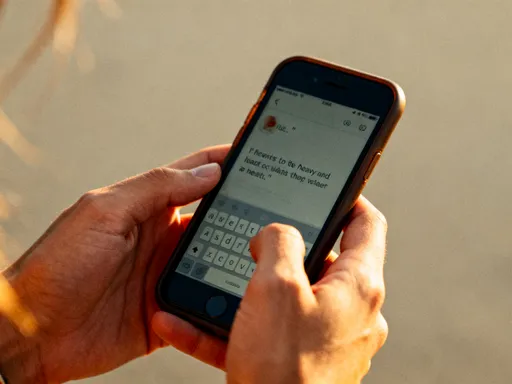
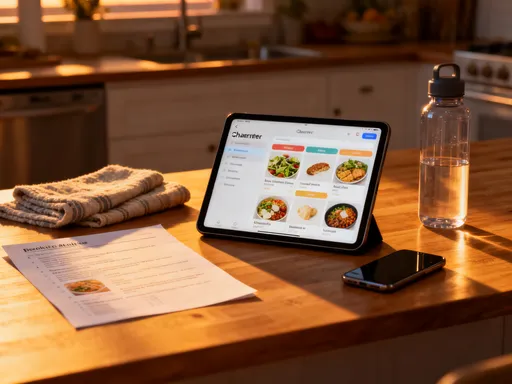
That stuck with me. When I got home, I did a little research. I wasn’t looking for anything complicated—just something secure, easy to use, and accessible from my phone. I found a few options, but one stood out because it was designed for real people, not data scientists. It had a clean interface, simple upload tools, and the ability to organize records by person, date, or type—like lab results, prescriptions, or vaccination records.
I started small. I scanned my most recent blood test and uploaded it. Then I added my daughter’s immunization record—something I’d been asked for at least three times that year. Within a week, I’d built a tiny digital folder. It didn’t feel like a revolution. But when my son got sick and I could pull up his allergy history in seconds during a telehealth visit, I felt something shift. For the first time, I wasn’t scrambling. I wasn’t guessing. I had the information I needed, right when I needed it.
The real turning point came when I set up a shared family account. I added my mom, my husband, and the kids. Each of us had our own section, but I could access them all with a single login. I remember thinking, ‘This is it. This is what peace of mind feels like.’ It wasn’t magic. It was just simple, smart, and there when I needed it.
How It Transformed Daily Life
Before digital records, every doctor’s visit felt like a performance. I’d arrive early, fill out the same forms over and over, and try to remember every medication I’d ever taken. Now, I walk in—sometimes even a few minutes late—and hand the receptionist a QR code or tell them my account email. They pull up everything: my history, my allergies, my last physical. No paperwork. No stress. Just care.
Take my daughter’s annual checkup. In the past, I’d bring a folder, only to realize I’d left the growth chart at home. Now, her pediatrician can see her height, weight, and vaccination schedule over time—all in one view. When she developed a rash last spring, I was able to show the doctor a timeline of when it started, what we’d tried, and how it changed. That helped us rule out allergies faster and get her the right treatment.
My husband used to lose his prescription slips all the time. He’d call the pharmacy, wait on hold, and sometimes end up without his meds for a day or two. Now, he keeps a digital copy in the app. If he’s traveling or the pharmacy is out of stock, he can forward the prescription to another location in minutes. It’s not just convenient—it’s reassuring. He doesn’t have to worry about being without his medication, and I don’t have to worry about him.
Even school forms have gotten easier. Instead of digging through drawers or calling the doctor’s office, I can download and sign a health clearance in seconds. I’ve shared records with coaches, camp nurses, and school counselors—all with a few taps. And the best part? I don’t have to explain myself. I don’t have to apologize for being disorganized. I just say, ‘I’ve got it right here,’ and move on.
Making Memory Work for You, Not Against You
We all forget things. Names, dates, where we left our keys. But when it comes to health, forgetting can have real consequences. I used to think memory was just about recalling the past. Now I see it as a tool for protecting the future. Digital records don’t replace memory—they support it. They give you a clear, accurate picture of what’s happened so you can make better choices about what comes next.
I’ll never forget how this helped my mom. She’d been having mild fatigue and joint pain for months, but each time she saw a doctor, she described it differently. One visit, she said it was ‘just aging.’ Another time, she thought it was stress. But when I pulled up her lab results from the past two years, I noticed a pattern: her inflammation markers had been slowly rising. I shared that timeline with her rheumatologist, who said, ‘This isn’t normal aging. Let’s run a few more tests.’
Turns out, she had an early autoimmune condition that was manageable—if caught early. That wouldn’t have happened if we’d been relying on memory alone. The digital record didn’t diagnose her, but it gave us the evidence we needed to ask the right questions. It turned scattered symptoms into a story the doctor could follow.
For families managing chronic conditions—diabetes, asthma, thyroid issues—this kind of tracking is priceless. You can log blood sugar levels, medication changes, or flare-ups over time. You don’t have to remember every detail. The app does. And when you go to an appointment, you’re not guessing. You’re showing data. You’re advocating with facts.
I’ve started using it for myself, too. I track my sleep, my mood, and my annual screenings. It’s not about being obsessive. It’s about being aware. Because the more I know about my body, the better I can care for it. And that’s a kind of strength I didn’t know I had.
Keeping It Safe Without the Stress
I’ll be honest—I was nervous at first. My health information is personal. The idea of putting it online felt risky. What if someone hacked into it? What if the company sold my data? These weren’t silly fears. They were real concerns, and I didn’t want to trade convenience for safety.
So I did my homework. I looked into how these platforms protect user data. I learned that many use end-to-end encryption—the same kind banks and hospitals use. That means only I can access my records, even if someone intercepts the data. I also looked for apps that let me control who sees what. For example, I can share my mom’s diabetes records with her specialist but keep her mental health notes private.
I compare it to a locked diary. Years ago, I kept my journal in a drawer with a key. I didn’t carry it around, but I knew it was safe at home. A digital health app feels the same way—only better. It’s like having a locked diary that I can carry in my pocket, open only with my fingerprint or a password I control. And unlike paper, it won’t get lost in a fire or left on a bus.
I also pay attention to who owns the app. I stick to well-known platforms that are used by hospitals and clinics. Many are part of larger health systems, which means they follow strict privacy laws like HIPAA in the U.S. I don’t use random apps from unknown developers. I read reviews, check security ratings, and make sure they’re transparent about how they use data.
The truth is, paper records aren’t perfectly safe either. They can be misplaced, seen by the wrong person, or damaged. Digital records, when used wisely, can actually be more secure. It’s not about eliminating risk—it’s about managing it in a way that works for me and my family.
Sharing Without the Scramble
One of the most powerful moments since going digital happened during my mom’s follow-up appointment after her diagnosis. She was seeing a new specialist, and the office needed her full history. In the past, I would have spent hours printing, labeling, and driving documents to the clinic. Instead, I opened the app, selected the files, and sent a secure link to her doctor. Within minutes, they had everything—lab results, imaging reports, medication lists. No faxing. No scanning. No panic.
But the real gift was being able to share access with my sister. We both care for Mom, but we live in different cities. Before, I’d get calls like, ‘Did she take her new pill today?’ or ‘What was the name of that test?’ Now, we’re both on the same page. I gave my sister view-only access to Mom’s file. She can see updates, upcoming appointments, and new prescriptions. She even set up alerts so she knows when something changes.
When Mom had to go back to the ER last winter, my sister was able to call the hospital with accurate information—her current meds, her allergies, her advance directive. The nurses said it made triage faster and safer. I wasn’t there in person, but I felt like I was still helping. That sense of connection, of being able to care across distance, is something I didn’t expect but deeply cherish.
Sharing isn’t just for emergencies. I’ve shared my son’s sports physical with his soccer coach. I’ve given my husband access to my records in case he ever needs to speak for me. It’s not about giving up control—it’s about building a safety net. It’s knowing that if something happens, the people I trust will have the information they need to protect me.
A Small Change, A Big Shift
Looking back, I realize that organizing our health records wasn’t just about saving time or avoiding repeated tests. It was about taking back a sense of control in a world that often feels unpredictable. It was about showing up for my family as the calm, prepared person I always wanted to be—not the one digging through bags and drawers, apologizing for being late or unready.
This shift didn’t happen overnight. I didn’t upload everything in a weekend. I started with one document. Then another. I made mistakes—uploaded the wrong file, forgot to update a medication. But that’s okay. The app doesn’t judge. It just helps. And over time, it became a natural part of how I care for my family.
I’ve learned that good health management isn’t about perfection. It’s about preparation. It’s about having the tools to respond with clarity, even in moments of stress. And it’s about feeling confident that I’m doing my best—not just as a patient, but as a daughter, a wife, a mom.
If you’re reading this and thinking, ‘I don’t have time for one more thing,’ I get it. I felt the same way. But this isn’t another chore. It’s a gift—to yourself and to the people you love. You don’t have to do it all today. Just start with one step. Scan one document. Try one app. See how it feels.
Because peace of mind isn’t found in a perfect system. It’s found in knowing you’re ready. That when the call comes, when the moment arrives, you’ll have what you need—right in your hands. And that, more than anything, is the kind of strength every woman deserves.