More Than Just Videos: How Personalized Tutorials Finally Made Learning Feel Possible
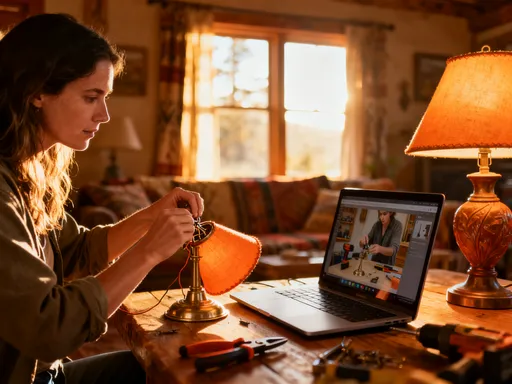
Remember that moment when you gave up on learning something new—maybe cooking, coding, or even yoga—because the instructions just didn’t click? I’ve been there too. It wasn’t until I found video platforms that adapted to how I learn that things changed. These aren’t just collections of tutorials—they’re smart, personal guides that meet you where you are. They remember your pace, suggest what’s next, and make you feel like someone’s actually cheering you on. No more feeling lost, no more guessing what to watch next. Just gentle, steady progress that fits your life. And honestly? That small shift made all the difference.
The Frustration of One-Size-Fits-All Learning
Let’s be real—how many times have you clicked on a video labeled “Beginner’s Guide to Knitting” only to see someone flying through complex stitches like it’s second nature? Or tried to follow a home repair tutorial that assumes you already know what a torque wrench is? I did. I remember sitting cross-legged on my kitchen floor, phone in hand, trying to fix a leaky faucet while the cheerful instructor breezed through steps I couldn’t even name. I felt defeated before I even picked up a wrench. That kind of experience isn’t just unhelpful—it chips away at your confidence. You start to think, Maybe I’m just not the type who can learn this. But the truth is, it’s not you. It’s the method.
Generic tutorials treat every viewer the same. They don’t know if you’re watching after a long day with kids screaming in the background or during a rare quiet morning with coffee in hand. They don’t adjust when you pause five times in one minute because you’re confused. And they certainly don’t remember that last week you watched a video on measuring pipe sizes—so why are they starting from scratch again? This one-size-fits-all approach doesn’t just waste time. It creates emotional friction. You feel like you’re failing when really, the system is failing you. And over time, that frustration builds into a quiet resignation: I’ll just pay someone to do it. But what if learning didn’t have to feel like a test you’re destined to fail?
I think about my friend Maria, who wanted to start a small garden last spring. She watched a dozen videos on planting vegetables, but they all moved too fast, skipped steps, or used terms like “loamy soil” without explaining them. After the third failed attempt, she gave up. “I guess I don’t have a green thumb,” she said. But it wasn’t about talent. It was about access. She needed someone to meet her where she was—not where the average viewer supposedly is. That moment stuck with me. Because so many of us carry these quiet stories of giving up—not because we didn’t care, but because the way we were taught didn’t care about us.
When Technology Started Listening: The Rise of Personalization
Then, something changed. I started noticing that certain platforms didn’t just dump content on me—they seemed to pay attention. If I rewatched a section three times, the next video would break it down slower. If I always skipped long intros, they got shorter. It wasn’t magic. It was design with empathy. These platforms use simple signals—what you pause, rewatch, skip, or click next—to adjust the experience. Think of it like a teacher who notices you squinting at the board and moves the seating chart without making a big deal about it. No judgment. Just support.
One evening, I was trying to learn how to use a budgeting app. I kept pausing the same 30-second clip about setting up categories. The next day, the platform suggested a shorter, simpler video called “Budgeting Basics in 5 Minutes.” It used plain language, showed real screenshots, and even included a quick quiz at the end. I finally got it. That’s when it hit me: this wasn’t just a video. It was a conversation. The system wasn’t perfect, but it was trying to understand me. And that small effort made me want to keep going.
What’s powerful is how subtle these changes can be. Maybe you’re a visual learner, so the platform starts showing more diagrams. Maybe you prefer shorter sessions, so it breaks longer lessons into bite-sized parts. Or perhaps you’ve been watching a lot about meal prep, so it gently suggests a video on storing leftovers efficiently. These aren’t random guesses. They’re thoughtful nudges based on what you’ve already shown you need. And over time, they build a learning path that feels less like wandering and more like walking a trail that’s being cleared just for you.
I’ve watched my sister, who’s in her early 50s, go from avoiding technology to confidently using video calls with her grandchildren. At first, she’d get overwhelmed by tutorials that moved too fast. But once she found a platform that adjusted to her pace—repeating key steps, offering captions, and suggesting beginner-friendly tools—everything shifted. “It feels like someone’s sitting beside me,” she told me. That’s the power of personalization: it turns isolation into companionship, even when you’re learning alone.
Learning That Fits Your Life, Not the Other Way Around
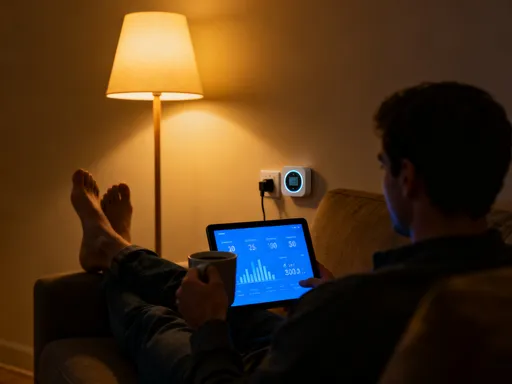
Let’s face it—our lives don’t run on a perfect schedule. Some days, you have two uninterrupted hours. Others, you’re squeezing in learning between laundry and dinner. The beauty of personalized platforms is that they respect that. They don’t demand your full attention for 45 minutes. Instead, they meet you in the cracks of your day. After a long shift at the hospital, I once opened an app expecting a lengthy lesson on mindfulness. Instead, it greeted me with a two-minute breathing exercise. “You’ve had a busy week,” it seemed to say. “Let’s just pause.” That small gesture made me feel seen.
This adaptability is where real sustainability happens. When learning fits your energy level and time, it stops feeling like another chore. I’ve started using these platforms during my kids’ soccer practices—pulling up quick tutorials on mending clothes or organizing digital photos. Because the system knows I usually watch in short bursts, it suggests content that matches: concise, focused, and easy to absorb. No fluff. No filler. Just what I need, when I need it.
And it’s not just about timing. It’s about context. If you’ve been watching a lot of parenting content, the platform might suggest a video on managing screen time—right when your teenager is arguing about phone use. If you’ve been exploring baking, it might offer a shortcut for measuring ingredients when you’re in a rush. These aren’t random ads. They’re thoughtful connections between what you’re learning and what you’re living. It’s like having a wise friend who knows your habits and offers just the right advice at just the right time.
I’ve noticed that when learning fits my life, I’m more consistent. I don’t have to “find time.” I just use time—those odd minutes here and there that used to disappear into scrolling. And because the platform remembers where I left off, I never feel like I’m starting over. That continuity builds momentum. It turns “I’ll try this someday” into “I’m doing this now.”
From Passive Watching to Active Progress
Here’s the thing about most video platforms: they end when the video ends. You watch, you close the app, and that’s it. But personalized platforms do something different. They help you see your progress. I remember the first time I got a little “You’ve mastered 5 kitchen skills!” notification. It felt silly, but also… good. Like someone had noticed. These small celebrations—badges, progress bars, friendly check-ins—turn learning into something tangible.
One of the most powerful features is skill tracking. Instead of just a list of videos you’ve watched, the platform shows what you’ve actually learned. “You can now chop an onion safely,” it might say. “Next: dicing carrots.” That kind of feedback transforms passive watching into active growth. It’s not about consuming content. It’s about building competence. And when you can see yourself improving, you start to believe it.
Gentle reminders help too. Not the pushy kind that feel like guilt trips, but soft nudges: “Missed you this week. Want to try a 3-minute stretch routine?” or “You were doing great with Spanish—care to review family words?” These messages don’t scold. They encourage. They treat you like someone who’s trying, not someone who’s failing.
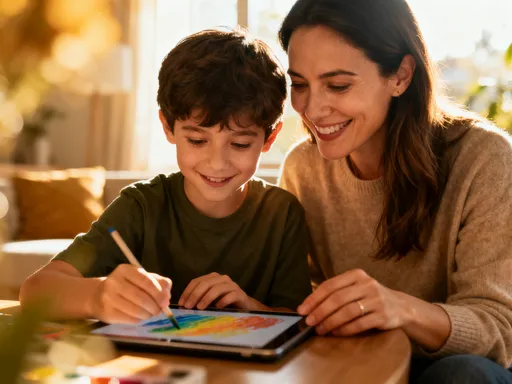
I’ve started sharing my progress with my daughter. We both wanted to learn basic sign language to communicate during her swim lessons. The platform let us track our skills side by side. When she mastered “water” and “more,” she’d show me proudly. We weren’t just learning—we were growing together. And that shared journey made the process feel richer, more meaningful. It wasn’t just about the skills. It was about the connection.
Building Confidence One Video at a Time
Confidence isn’t built in big leaps. It grows in tiny moments—like finally understanding how to set up a printer or successfully following a recipe without burning the rice. Personalized tutorials make those moments more likely. When the content matches your level, pace, and learning style, success stops feeling like luck and starts feeling like ability.
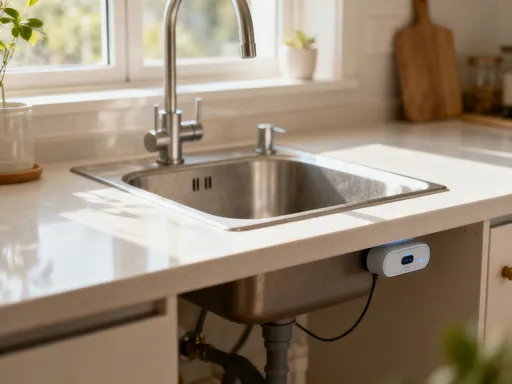
I’ll never forget the day I fixed my own leaky faucet—using a video that adjusted to my confusion, showed close-ups of each step, and even suggested a tool I already had at home. When the water stopped dripping, I didn’t just feel relief. I felt proud. I did that. That small win changed how I saw myself. I wasn’t “someone who can’t fix things.” I was someone who could learn to fix things. And that shift in identity is powerful. It doesn’t just apply to plumbing. It spills into everything—cooking, budgeting, parenting, even how you speak up at a school meeting.
What these platforms do, quietly, is rebuild trust—in the process, and in yourself. They don’t promise overnight transformation. They offer steady, supported growth. And over time, that consistency teaches you a deeper lesson: You are capable of learning. That belief becomes a quiet strength. It’s there when you’re teaching your mom how to video call, when you’re trying a new recipe for guests, or when you’re considering going back to school. It’s not loud. But it’s unshakable.
I’ve watched friends go from saying “I’m not a tech person” to creating photo books for their families, managing online banking, and even starting small online businesses. The tools didn’t change their intelligence. They just gave them a fair chance to succeed. And that chance made all the difference.
Sharing Growth: Learning That Connects Us
Here’s a surprise: personalized learning doesn’t have to be lonely. In fact, it can bring people closer. When my niece and I wanted to learn calligraphy together, we didn’t have to be in the same room. We used the same platform, but our lessons were tailored to our levels. She got playful animations and short drills. I got detailed stroke guides and practice sheets. Yet we could share our progress, send each other virtual high-fives, and celebrate when we both completed our first handwritten letters.
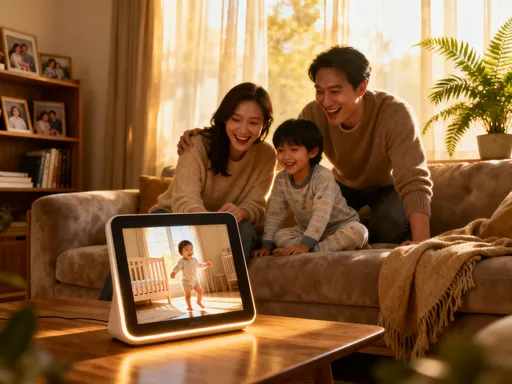
This kind of shared growth is especially powerful across generations. I’ve seen parents and adult children learn together—whether it’s a mom learning to use a tablet so she can stay in touch with her grandkids, or siblings relearning their heritage language with videos that adapt to their fluency. The personalization removes the frustration of one person feeling too far ahead or too far behind. Everyone moves at their own pace, but they’re still on the same journey.
Even in marriage, this matters. My cousin and her husband started learning meditation together using a platform that adjusted to their different stress levels and schedules. She needed longer sessions in the morning. He preferred short breaks during work. The system accommodated both. They didn’t have to negotiate or compromise. They just grew—side by side, in their own ways. And that small act of learning together strengthened their bond.
When technology supports individual needs while enabling connection, it stops feeling cold. It becomes a bridge. Not just between you and knowledge, but between you and the people you love. And in a world that often feels divided, that’s a quiet kind of magic.
A Future Where Learning Feels Human Again
At its best, technology shouldn’t make us feel smaller, busier, or more overwhelmed. It should make room for what matters—growth, connection, peace of mind. Personalized video platforms aren’t perfect. They’re not replacing teachers or mentors. But they are doing something important: they’re remembering that every learner is a person. With a life. With limits. With dreams.
They restore patience to learning. No more rushing. No more shame for needing to rewatch. Just steady, kind support that honors your pace. They bring back joy—because progress feels possible, not punishing. And they make growth feel personal, not generic.
I think about how far I’ve come—from giving up on simple tasks to feeling curious again, eager to learn. Not because I’m suddenly smarter, but because the way I learn finally makes sense. And I see that in others too: the woman learning to cook for her family, the dad mastering video calls, the retiree painting watercolors for the first time.
This is what technology can be—not a cold machine, but a quiet ally in becoming who we want to be. One video, one small win, one moment of “I can do this” at a time. And that? That’s not just progress. That’s hope.