From Overwhelmed to Effortless: How Smart Energy Tools Gave Me My Evenings Back
You know that feeling—coming home after a long day, only to face a mountain of chores, a sky-high electricity bill, and a house that never feels quite *right*? I did too. Until I discovered how simple tech tweaks could quietly transform my home, my time, and my peace of mind. It wasn’t about buying everything new—it was about working smarter. Let me show you how small changes made a big difference. It started with exhaustion, a sense of always being one step behind, and a growing frustration that my home—my sanctuary—was actually draining me. What I didn’t realize then was that the solution wasn’t more willpower or a cleaner schedule. It was technology that worked quietly in the background, like a thoughtful helper who knew exactly when to step in.
The Moment Everything Changed: A Burnt-Out Lightbulb and a Wake-Up Call
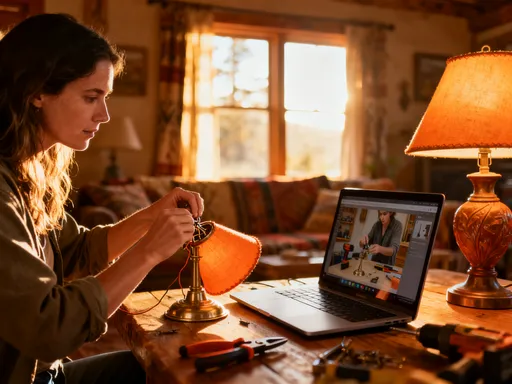
It was a Tuesday evening, nothing special. I walked in the door, dropped my bag, and reached for the light switch. Nothing. The bulb had finally given up, after months of flickering like a warning sign I’d ignored. As I stood in the dim hallway, fumbling for my phone flashlight, I glanced at the utility bill on the counter. $278. For one month. My stomach dropped. How was that possible? We weren’t running the AC 24/7, we weren’t taking hour-long showers, and we didn’t have a pool heater. So where was all this energy going? That night, as I unscrewed the dead bulb and thought about replacing it—again—I realized something deeper was broken. It wasn’t just the light. It was the whole rhythm of our home life. I was tired. Not just physically, but mentally. Every evening felt like a race: turn off the lights, unplug the toaster, adjust the thermostat, remind the kids about the bathroom fan. And still, the bills climbed, and the house never quite felt comfortable.
That moment became my wake-up call. I wasn’t lazy. I wasn’t careless. I was just human—trying to juggle work, family, meals, laundry, and now, energy management, all without any real tools. I realized I had no idea what was actually using power. Was it the old fridge? The Wi-Fi router? The space heater we used once during a cold snap? I was guessing, and guessing wrong. The emotional weight of feeling powerless over something so basic—my own home—was heavier than I’d admitted. I wanted calm. I wanted control. I wanted to spend my evenings reading with my daughter or talking with my partner, not hunting for phantom energy drains. That’s when I decided to stop fighting my house and start understanding it.
Beyond the Thermostat: Seeing Energy the Way Experts Do
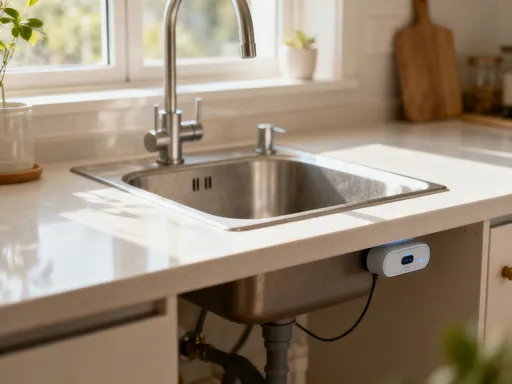
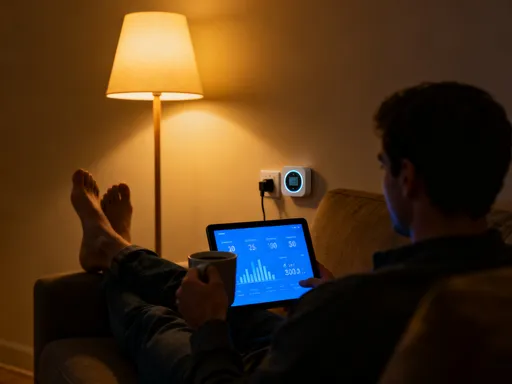
The first real shift happened when I stopped guessing and started measuring. I bought a simple home energy monitor—not a complicated system, just a small device that clipped onto my electrical panel and connected to an app on my phone. Within minutes, I could see, in real time, exactly how much power my home was using. It felt like putting on glasses for the first time. Suddenly, things were clear. I watched the numbers spike when the dishwasher turned on. I saw the steady hum of the refrigerator. But what shocked me was the baseline—the energy my house used even when we were asleep, when no one was home, when everything was supposedly “off.” It was like a quiet leak in a bucket, slowly draining my wallet and my peace.
One night, around 2 a.m., I checked the app out of curiosity. The house was using 650 watts. That’s like leaving six or seven old-school lightbulbs on, all night, every night. And we weren’t using anything. No TV, no oven, no laundry. So what was it? The monitor showed spikes from the garage—our freezer, yes, but also something else. A small, constant draw from the living room circuit. I went downstairs and started unplugging things. The TV? Still pulling 18 watts. The soundbar? 12. The gaming console, even in “standby”? 25. Multiply that by days, weeks, months—and suddenly, that $278 bill made sense. This was the “aha” moment. Energy visibility changed everything. It reminded me of budgeting—how you can’t manage your spending if you don’t track it. The same is true for electricity. You can’t save energy if you don’t see it. And once I could see it, I could start to make choices. Not out of guilt or frustration, but out of clarity and control.
Your Home’s Hidden Language: Learning to Read the Signals
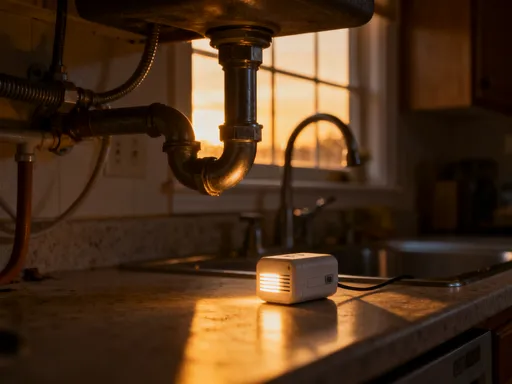
Once I had the big picture, I wanted to go deeper. That’s when I added smart plugs to the mix. These small, unassuming devices plug into your wall outlet, and then you plug your appliance into them. They connect to Wi-Fi and let you monitor and control devices remotely through an app. I started with the obvious: the coffee maker, the space heater, the TV setup. But what I discovered was anything but obvious. The coffee maker, for example, had a digital clock and a warming plate that stayed on all day. It used 75 watts continuously—more than some laptops. That one device was costing me nearly $30 a year just to sit there, doing nothing most of the time.
Then there was the printer in my home office. I thought it was off. But the smart plug showed it was drawing 8 watts every hour, ready to receive a print job that never came. Over a year, that added up to another $15 I didn’t need to spend. What surprised me most was how these little insights changed my behavior—not through force, but through awareness. I didn’t have to scold myself or my family. I just saw the patterns. I started timing things differently. I set the coffee maker to turn on 20 minutes before I woke up. I scheduled the dishwasher to run late at night, during off-peak hours when electricity rates were lower. I unplugged the printer when I wasn’t using it for days. These weren’t big sacrifices. They were small, painless adjustments that added up to real savings and less mental clutter. I began to think of my home as having its own language—one that I was finally learning to speak. The hum of the fridge, the blink of the router, the silent draw of standby mode—they weren’t just background noise. They were messages. And now, I could listen.
Automation That Actually Understands You: Quiet Help, Not Constant Control
After a few weeks of manual tracking and scheduling, I was ready for the next step: letting the house help itself. I upgraded to a learning thermostat—one that adapts to your routine over time. I was skeptical at first. I didn’t want something that would make decisions for me or force me into a rigid schedule. But this wasn’t like that. It learned when we were home, when we were away, when we liked the house warmer or cooler. After about a week, it started making small adjustments on its own. On cold mornings, it would start warming the house 30 minutes before we usually got up. On summer evenings, it would pre-cool the living room before we came home from errands.
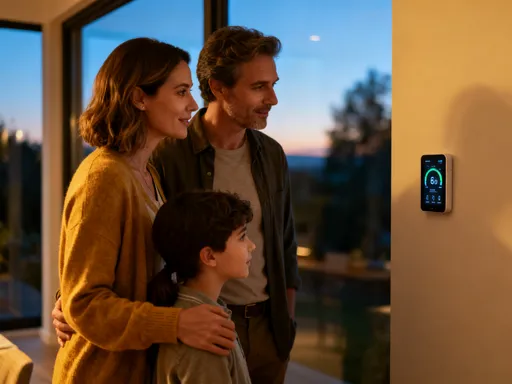
The real magic happened through geofencing—a feature that uses your phone’s location to know when you’re coming back. One rainy afternoon, I was running late picking up my daughter from soccer practice. I texted her coach, apologized, and started driving. As I turned onto our street, I noticed the house was already warm. Not overheated, not stuffy—just comfortably warm, like someone had been expecting me. I hadn’t touched the thermostat all day. But my phone had signaled that I was within 10 minutes of home, and the system had quietly turned up the heat. No effort. No remembering. Just care. That’s when it hit me: this wasn’t about controlling my home. It was about the home caring for me. Occupancy sensors, timers, adaptive learning—these aren’t futuristic buzzwords. They’re simple tools that respect your time and your comfort. They don’t demand attention. They just do their job, quietly, so you can focus on yours.
The Ripple Effect: How Saving Energy Saved My Family Time
Here’s what no one tells you about energy efficiency: it doesn’t just save money. It saves time. It saves stress. It saves relationships. Before these tools, I was the household enforcer. “Turn off the lights!” “Unplug your charger!” “Why is the TV on again?” My kids started tuning me out. My partner would forget, and I’d sigh. It became a source of tension, small but constant. Now? The lights turn off automatically when no one’s in the room. The TV setup powers down completely after an hour of inactivity. The thermostat adjusts without me lifting a finger. And something shifted. I’m not the nag anymore. I’m just Mom. Just me.
The mental space I’ve gained is priceless. I’m not constantly scanning the house for energy hogs. I’m not dreading the next bill. That freed-up energy—my own human energy—has gone into things that matter. I’ve started reading before bed instead of scrolling through settings on my phone. I cook more because I’m not stressed about the oven running too long. My daughter and I started a weekly baking tradition on Sundays, and we leave the kitchen lights on for hours, guilt-free, because now I know what’s really costing us. The emotional shift has been profound. I feel more present. More patient. More in control. And that, more than any dollar saved, is the real win. Energy efficiency, it turns out, isn’t just about watts and kilowatt-hours. It’s about well-being. It’s about creating a home that supports you, not one that drains you.
Starting Small: The Two Tools That Made the Biggest Difference
I won’t lie—when I first looked into smart home tech, it felt overwhelming. There are so many gadgets, so many brands, so many apps. I worried I’d need a degree in engineering just to turn on a lamp. But here’s the truth: you don’t need to do everything at once. You don’t need to replace every bulb or rewire your house. In fact, I only used two tools to make the biggest change: one energy monitor and one smart plug. That’s it. I started with the monitor because it gave me the big picture—what was happening, where, and when. It took less than an hour to install, and most of that was reading the instructions. The app was simple, with clear graphs and daily summaries. Within a week, I knew more about my home than I had in ten years of living in it.
Then I added one smart plug—just one—plugged into the outlet behind the TV. That single device showed me how much power our entertainment center was using on standby. Once I saw it—nearly $50 a year for something we weren’t even using—I set it to turn off automatically at 10 p.m. Problem solved. From there, I added more, slowly, only when it made sense. The key was starting small, seeing results quickly, and building confidence. You don’t have to be a tech expert. You just have to be curious. And the beauty is, these tools are designed for people like us—busy, thoughtful, caring people who want to do better without doing more. The setup is simple. The feedback is immediate. And the wins? They start small but add up fast.
A Smarter Home, Not a Smarter Gadget: Keeping Tech in Its Place
Here’s what I’ve learned after a year of living with these tools: the best technology is the kind you forget about. It’s not flashy. It doesn’t demand your attention. It just works. I used to worry that a “smart home” would mean more screens, more notifications, more complexity. But the opposite happened. By automating the little things, I’ve actually reduced my screen time. I don’t need to check settings constantly because the system handles them. I chose tools that integrate easily, that speak to each other, that don’t require me to open five different apps. Simplicity was my priority. If a device needed more than three steps to set up, I didn’t buy it. If the app was confusing, I returned it.
This isn’t about chasing the latest gadget. It’s about choosing tools that serve your life, not complicate it. A smart home shouldn’t feel like a lab experiment. It should feel like home—only easier. I think of it like breathing. You don’t think about it. You don’t control it. It just happens, automatically, because your body knows what to do. That’s the kind of convenience I wanted. And that’s what I got. The thermostat adjusts. The lights dim. The devices shut down. And I’m free to live. I encourage you to think about what “effortless” means for your home. Is it walking into a warm house on a cold day? Is it never worrying about leaving the iron on? Is it knowing your kids are safe and the bills are under control? Whatever it is, there’s likely a simple tool that can help. But don’t let tech take over. Let it support you. Let it handle the background noise so you can focus on the things that really matter—your family, your time, your peace.
More Than Watts Saved—Time, Peace, and Presence
Looking back, I realize the burnt-out lightbulb was a gift. It forced me to see what I’d been ignoring—not just in my home, but in my life. The journey from overwhelmed to effortless didn’t happen overnight. It wasn’t about perfection. It was about progress. Small choices. Small tools. Big results. I didn’t set out to become a tech expert. I just wanted to feel at ease in my own home. And now, I do. The bills are lower—about 23% on average, according to my energy monitor—but that’s not the number I care about most. What matters is that I have my evenings back. I’m not chasing switches or worrying about waste. I’m present. I’m calm. I’m connected.
Smart energy tools didn’t change my house as much as they changed me. They gave me permission to stop doing everything myself. They reminded me that it’s okay to ask for help—even if that help comes in the form of a small device on my electrical panel. They showed me that caring for my home doesn’t have to be exhausting. It can be simple. It can be quiet. It can be kind. So if you’re feeling like I did—tired, stretched thin, a little out of control—know this: you’re not alone. And you don’t have to stay there. Start with one thing. One plug. One monitor. One small step. Let curiosity lead you. Let technology handle the details. And give yourself the gift of time—the most precious resource of all. Because a home that works for you isn’t a luxury. It’s a place where you can finally breathe, relax, and be exactly who you are.