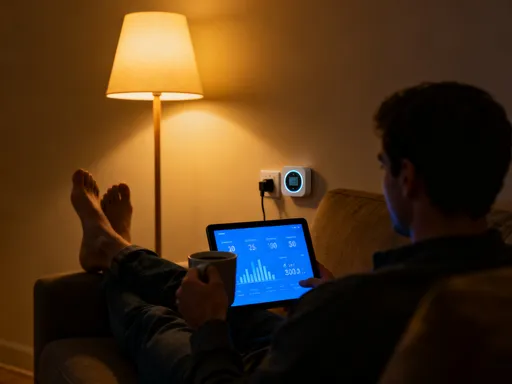
Tired of Misunderstandings with Your Partner? This Tool Helps You Stay in Sync Without the Stress
We’ve all been there—misreading a text, forgetting an important date, or feeling like you and your partner are on completely different pages. It’s not about love, it’s about coordination. What if a simple tech tool could help you both stay aligned, reduce friction, and grow together? I tried one that transformed how we communicate, plan, and support each other. It’s not magic—just smart, thoughtful design that fits seamlessly into real life. And honestly, after years of small miscommunications piling up into big frustrations, this felt like finally having a shared language again.
The Everyday Struggles of Staying Connected
Let’s be real—most relationship problems don’t start with betrayal or drama. They start with something much smaller: a forgotten promise, a missed message, or two people assuming the other one is handling something. I remember one Saturday morning when I woke up excited for a hike we’d loosely talked about the night before. I had packed snacks, checked the weather, even laid out my shoes. But my husband was still in his pajamas, surprised I expected to go anywhere. “We didn’t actually plan it,” he said. “I thought we were just talking.” That moment didn’t just ruin the hike—it left me feeling dismissed, and him feeling ambushed. We both walked away frustrated, not because we didn’t care, but because we weren’t on the same page.
This kind of thing happens more than we admit. Life gets loud—kids, work, chores, endless to-do lists. In the noise, even the closest couples can lose rhythm. You assume your partner remembers the pediatrician appointment. They assume you’re handling dinner. Neither of you meant to drop the ball, but without a system, things fall through. And over time, those little oversights start to feel personal. “They never listen.” “They don’t care.” But the truth? Most of the time, it’s not about intention—it’s about infrastructure. We expect love to be enough, but love needs support. It needs a way to stay organized, seen, and connected in the daily grind. That’s where I realized we weren’t just fighting about plans—we were missing a shared way to show up for each other.
How Learning Progress Tracking Applies to Relationships
Here’s something I never thought I’d say: the same idea behind fitness trackers or habit apps can actually strengthen your relationship. Think about it—when you’re trying to drink more water or walk 10,000 steps, seeing progress on a screen makes it real. You notice patterns. You celebrate small wins. You adjust when you’re off track. Now, imagine applying that same clarity to your partnership. What if you could see how often you truly listened? How many kind messages you exchanged? Whether you followed through on promises?
That’s the power of progress tracking—not as a report card, but as a mirror. It’s not about perfection; it’s about awareness. When my husband and I started using a simple tool to log small moments of connection—like leaving a note, checking in after a tough day, or simply saying “I appreciate you”—we began to see what we were already doing well. And more importantly, we noticed the gaps. For example, I realized I was initiating most of the emotional conversations, while he often waited for me to start. He saw that he was great at handling logistics but sometimes missed emotional cues. None of this was criticism—it was just data. And with that data, we could make gentle shifts, not big confrontations. The tool didn’t fix us; it helped us see where we could grow, together.
Choosing the Right Relationship Coordination Tool
Now, I won’t lie—I tried several apps before finding one that actually worked for us. Some felt like therapy homework. Others were too rigid, with checklists that made me feel like I was managing a project, not nurturing a relationship. One even had a “conflict score” that made me more stressed just looking at it. What I wanted wasn’t a performance review—it was a quiet helper, something that fit into our real life without adding pressure.
The one that finally clicked was simple. It had a shared calendar with soft reminders—no alarms, just gentle nudges like “Don’t forget—date night tonight!” It included private notes where we could leave each other small appreciations: “Thanks for making coffee this morning. It made my day easier.” And it had a weekly check-in feature, just three questions: “What made you feel loved this week?” “What’s one thing you’d like more of?” and “How are you really doing?” Nothing fancy. No grades, no rankings. Just space to reflect and connect.
What made it different was how it felt—safe, kind, and encouraging. It didn’t highlight failures; it celebrated effort. And that was key. The best tools for relationships aren’t about control or surveillance. They’re about creating a shared space where both partners feel seen and supported. If you’re looking for something like this, focus on ease of use, emotional warmth, and features that invite positivity. Avoid anything that feels clinical or judgmental. Your relationship isn’t a spreadsheet—it’s a living, breathing connection. The tech should serve that, not shrink it.
Building Trust Through Shared Visibility
One of the most surprising benefits of using this tool was how it built trust—not in some grand, dramatic way, but in the quiet, everyday moments. When we both started logging small actions—like “took the dog to the vet,” “called Mom for you,” or “left your favorite snack on the counter”—something shifted. We began to *see* each other’s efforts. Before, those things happened, but they went unnoticed. Now, they were visible. And that visibility made all the difference.
I’ll never forget the week I was overwhelmed with a work deadline. I barely had time to think, let alone keep up with the house. But when I opened the app, I saw a string of little updates from my husband: “Dishes done,” “Laundry folded,” “Kids’ lunches packed.” He didn’t say a word about it. He just logged it quietly. But seeing those entries made me feel held. I wasn’t failing—I was being supported. And when I thanked him, he said, “I just wanted you to know I was here.” That moment wasn’t about the chores. It was about feeling like a team.
Over time, this kind of shared visibility reduced resentment. We stopped keeping mental scorecards because we could actually *see* what the other was doing. And when we did feel upset, we could point to the data gently: “I noticed I’ve been the one handling bedtime this week. Could we talk about balancing it?” It wasn’t an accusation—it was a conversation starter. The tool didn’t solve every issue, but it created space for honesty, appreciation, and teamwork. And honestly, that’s more than enough.
Avoiding Mistakes Before They Happen
Here’s the truth: most relationship stress doesn’t come from big fights. It comes from small things piling up until they explode. The forgotten anniversary. The unspoken frustration. The growing sense that you’re drifting. What I love about this tool is that it helps you catch those moments *before* they become problems. It’s like having a quiet early-warning system for your relationship.
We started using shared reminders for more than just dates. We set them for things like “Talk about finances this week,” “Ask how their project is going,” or even “Hug for no reason.” At first, it felt a little silly—like scheduling affection. But over time, those nudges became lifelines. They didn’t replace spontaneity; they protected it. Because when the big stuff is handled—the check-ins, the conversations, the small gestures—we had more emotional bandwidth for joy, for laughter, for real connection.
One of my favorite features is the weekly reflection. Every Sunday night, the app asks us to answer those three simple questions. At first, we’d rush through them. But now, it’s become our mini-date night ritual. We sit with tea, read each other’s responses, and talk. Sometimes it’s deep. Sometimes it’s light. But it’s always real. And because we do it consistently, we catch tensions early. If one of us says, “I’ve felt a little lonely this week,” we can address it right away—not months later when it’s turned into resentment. That’s the real power of this tool: it doesn’t just help you manage your relationship. It helps you *tend* to it, like a garden, before the weeds take over.
Growing Together, Not Just Getting Along
What I didn’t expect was how this tool would shift our mindset from just *getting along* to actually *growing together*. We started setting tiny joint goals—nothing huge, just small intentions to strengthen our connection. “One screen-free dinner per week.” “Share one personal thought each day.” “Plan a surprise for each other this month.” And then we tracked them—not to judge, but to celebrate.
Here’s what happened: when we could *see* our progress, it became motivating. We weren’t just avoiding conflict—we were building something positive. One week, we both noticed we’d hit our screen-free dinner goal three times. We high-fived. Another week, I left him a surprise note in his lunchbox, and he responded with a voice message that made me tear up. These weren’t grand gestures—they were small, intentional acts of love. But because we were paying attention, they became meaningful.
And that’s the shift: from reacting to problems to proactively building connection. Instead of waiting for a crisis to talk, we were creating daily opportunities to show up for each other. We weren’t just managing our relationship—we were nurturing it. And over time, that changed how we saw each other. We weren’t just partners sharing a life—we were teammates, growing side by side. The tool didn’t create that growth, but it gave us a way to see it, honor it, and keep moving forward together.
Making It Work for Your Life
Now, I’ll be honest—this only works if you actually use it. And consistency doesn’t come from willpower. It comes from making it easy, personal, and light. We linked our check-ins to our morning coffee routine. Five minutes, side by side, phones in hand, logging the night before and setting intentions for the day. It’s not long. It’s not heavy. It’s just us, staying in sync.
We also learned to keep entries short and kind. No essays. No blame. Just simple, honest notes. “I felt loved when you hugged me this morning.” “I’m stressed about work—can we talk tonight?” “Thanks for walking the dog in the rain.” And we made a rule: if one of us forgets to log something, no guilt. No nagging. Just a quiet “I saw what you did, and I appreciate it” the next time we talk. The goal isn’t perfection—it’s presence.
There are pitfalls, of course. I’ve seen couples use these tools to assign blame or track who’s “doing more.” That’s not the point. This isn’t about scorekeeping. It’s about support. If it starts to feel like a chore or a courtroom, step back. Simplify. Focus on appreciation. And if one of you isn’t into it? Don’t force it. Let it be an invitation, not a demand. For us, it became a habit not because it was perfect, but because it made us feel closer. And that’s what matters.
At the end of the day, no app can save a relationship. But a thoughtful tool—used with care—can help you stay aligned, reduce stress, and create more space for love. It won’t replace deep conversations or shared laughter. But it can help you have more of them. Because when the small things are handled with kindness and clarity, the big things have room to grow. And isn’t that what we all want? To feel seen, supported, and connected—to know that even on the busiest days, you’re not alone. This tool didn’t fix our relationship. It just helped us remember how much we already had, and how much more we could build—together.