How I Cracked the Code to Stress-Free Retirement Living
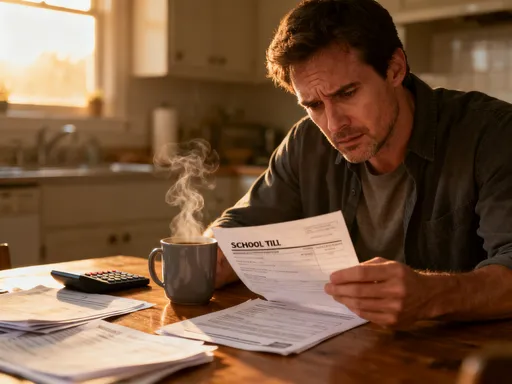
What if your golden years didn’t come with financial anxiety? I once worried retirement would mean cutting corners or outliving my savings—especially when looking at retirement communities. But after testing real strategies focused on smart income flow, risk control, and long-term sustainability, everything changed. This isn’t about chasing high returns; it’s about building a reliable financial foundation. Let me walk you through the methods that gave me confidence, step by step, in a world where stability matters more than hype. The journey wasn’t about sudden windfalls or risky bets. It was about clarity, discipline, and understanding the mechanics of lasting financial peace. For many women in their 40s, 50s, and beyond, retirement can feel like an open question—will there be enough? The answer lies not in luck, but in design.
The Hidden Cost of Retirement Communities – What Most People Overlook
Retirement communities are often marketed as worry-free havens—places where comfort, companionship, and care come together seamlessly. Yet beneath the appealing brochures and welcoming tours lies a financial structure that can quietly erode savings over time. Many retirees focus only on the monthly fee, assuming that as long as it fits their current budget, they’re in safe territory. But this narrow view misses critical long-term liabilities that accumulate silently. Rate increases, for example, are common and often exceed general inflation. A community charging $3,500 per month today could easily rise to $5,000 or more within a decade, turning an affordable choice into a financial burden.
The complexity deepens when examining different ownership models. Some communities operate on a rental or lease basis, where residents pay monthly without building equity. Others use a life lease or equity-sharing model, requiring a substantial upfront entrance fee that may be partially or fully refundable. While the refundable aspect sounds reassuring, the fine print often reveals delays, administrative fees, or conditions that reduce the actual return. Worse, tying up a large sum in an illiquid asset means losing the opportunity to invest that money elsewhere—money that could be generating income or serving as a financial cushion during market downturns or personal emergencies.
Additionally, many communities advertise base rates but omit the cost of additional services. Assisted living support, memory care units, transportation, or specialized therapies are typically billed separately. A retiree who initially needs minimal assistance may, over time, require more intensive—and expensive—services. Without planning for these escalations, families can face sudden, unavoidable costs that strain even well-funded retirement plans. Real-life cases show retirees exhausting their savings within 10 to 15 years, not because they lived extravagantly, but because they underestimated the compounding effect of rising fees and layered charges.
The key to avoiding this trap is a thorough cost analysis before signing any agreement. Prospective residents should request a detailed breakdown of all current and projected expenses over a 10- to 20-year horizon. They should also ask about historical rate increases, refund policies, and what happens if care needs change. Comparing these figures to the cost of aging in place—with home modifications and hired help—can reveal more economical alternatives. Ultimately, the goal is not to reject retirement communities outright, but to enter them with eyes wide open, ensuring that comfort does not come at the price of financial security.
Rethinking Income: From Fixed Pensions to Flexible Cash Flow
For decades, the retirement dream included a steady pension check arriving like clockwork every month. But today, fewer employers offer defined benefit plans, leaving many retirees dependent on Social Security and personal savings. While these sources provide a baseline, they often fall short in the face of rising living costs—especially within retirement communities where fees climb steadily. Relying solely on fixed income in an inflation-prone economy is a recipe for declining purchasing power. The solution lies not in earning more, but in restructuring how money flows in during retirement.
Flexible cash flow—predictable, ongoing income from multiple sources—creates resilience. Instead of depending on one or two static streams, retirees can build a portfolio designed to generate regular returns. Annuities, for example, offer guaranteed monthly payments for life, shielding retirees from the risk of outliving their savings. Immediate fixed annuities, in particular, convert a lump sum into a stable income stream, acting as a personal pension. While they lack liquidity, their predictability makes them valuable for covering essential expenses like housing and healthcare.
Another effective source is dividend-paying stocks or exchange-traded funds (ETFs) focused on income. These investments provide quarterly or monthly payouts, often with the potential for modest growth over time. Unlike growth-focused equities, income-oriented portfolios prioritize companies with a history of consistent dividends—such as utilities, consumer staples, or real estate investment trusts (REITs). When carefully selected, these assets can deliver returns that keep pace with inflation, helping retirees maintain their standard of living without dipping into principal.
Rental property is another powerful tool. For those who own a home or investment property, leasing it out generates monthly income that can directly offset retirement costs. Even after property taxes, maintenance, and vacancies, net rental yields of 4% to 6% are achievable in many markets. Some retirees choose to downsize their primary residence and use the proceeds to purchase a smaller rental property, creating a self-sustaining income loop. The key is to avoid over-leveraging and to maintain a reserve for repairs and market fluctuations.
Building such a diversified income structure requires thoughtful planning. It’s not about speculation or chasing high yields, which often come with high risk. Instead, it’s about aligning income sources with monthly obligations—using annuities for essentials, dividends for discretionary spending, and rental income for flexibility. This layered approach ensures that even if one stream falters, others remain intact. Retirees who adopt this model report greater peace of mind, knowing their finances are not tied to a single, vulnerable source.
Risk Control: Protecting Your Nest Egg in a Volatile Market
Market volatility is an unavoidable reality, especially during the early years of retirement when withdrawals begin. A sharp downturn can devastate a portfolio if retirees are forced to sell assets at a loss to cover living expenses. This is known as sequence-of-returns risk—the danger that poor investment performance early in retirement permanently reduces the longevity of savings. Even conservative investors aren’t immune; inflation alone can quietly erode purchasing power over time, turning a well-funded plan into a stretched budget.
Protecting your nest egg isn’t just about growth—it’s about preservation. A balanced asset allocation strategy is the first line of defense. Financial advisors often recommend a mix of stocks, bonds, and cash equivalents tailored to an individual’s risk tolerance and time horizon. For retirees, the emphasis shifts from aggressive growth to capital protection. A common approach is the “bucket strategy,” where funds are divided into short-, medium-, and long-term buckets. The short-term bucket holds cash and cash equivalents (like CDs or money market funds) to cover 2 to 3 years of expenses, insulating the portfolio from market swings. The medium-term bucket includes bonds and fixed-income securities, while the long-term bucket remains invested in equities for growth potential.
Diversification is equally critical. Spreading investments across different asset classes, sectors, and geographic regions reduces exposure to any single point of failure. For example, a portfolio that includes U.S. stocks, international equities, Treasury bonds, municipal bonds, and real estate can withstand sector-specific downturns. Rebalancing annually ensures that the portfolio stays aligned with the intended risk level, selling high-performing assets and buying underperforming ones to maintain balance.
Downside protection strategies add another layer of security. Some retirees use hedging techniques like protective puts or collar strategies, though these require expertise and can be costly. A simpler method is maintaining a cash reserve—enough to cover several years of non-discretionary expenses—so that no forced sales occur during downturns. This emotional buffer is just as important as the financial one; knowing you don’t have to sell in a crisis reduces anxiety and prevents panic-driven decisions.
Insurance products can also play a role. Long-term care insurance, for instance, protects against the financial shock of extended medical needs. While premiums add to annual expenses, they prevent catastrophic withdrawals from the investment portfolio. Similarly, fixed indexed annuities offer market-linked growth with downside protection, appealing to those who want upside potential without full exposure to losses. The goal is not to eliminate risk—this is impossible—but to manage it wisely, ensuring that the portfolio lasts as long as the retiree does.
The Entry Fee Trap: How to Evaluate Upfront Costs Wisely
One of the most significant financial decisions when entering a retirement community is whether to pay a large upfront entrance fee. These fees can range from $50,000 to over $500,000, often marketed as a one-time investment in future care and comfort. Some are partially or fully refundable, creating the illusion of safety. But these payments come with hidden trade-offs that many overlook. The primary issue is liquidity: once the money is paid, it’s no longer available for emergencies, investments, or unexpected family needs. Even refundable fees may take months or years to return, and the amount received can be reduced by administrative charges or depreciation clauses.
To determine whether an entrance fee is worth it, retirees must conduct a cost equivalence analysis. This involves comparing the total projected cost of living in the community—entry fee plus monthly charges—over a realistic time horizon (say, 15 to 20 years) against alternative housing options. For example, a $300,000 non-refundable fee plus $4,000 monthly fees over 15 years totals $1.02 million. If the same amount could cover home modifications, in-home care, and property taxes for aging in place, the latter might be more economical and flexible.
Another consideration is the expected length of stay. If health or family circumstances make a long-term commitment uncertain, locking in a large sum becomes riskier. A lease-based model, though it may have higher monthly costs, preserves capital and allows for greater mobility. Conversely, for those certain of staying long-term, a refundable fee might offer peace of mind, especially if the community provides escalating care levels without proportional rate hikes.
Opportunity cost is the final factor. The money used for an entrance fee could otherwise be invested, generating returns. At a conservative 4% annual return, $300,000 could produce $12,000 in income each year—enough to cover a significant portion of retirement expenses. By surrendering this potential, retirees trade financial flexibility for convenience. The decision should not be emotional but analytical, based on individual financial goals, health outlook, and lifestyle preferences. A financial advisor can help model different scenarios, ensuring that the choice supports long-term stability rather than short-term comfort.
Downsizing Smarter: Turning Home Equity Into Sustainable Freedom
For many retirees, the family home represents their largest asset—and their greatest opportunity. Selling it to fund a move into a retirement community or a smaller home can unlock substantial capital. But too often, the entire proceeds are consumed quickly, spent on relocation costs, furnishings, or daily living. Without a strategy, downsizing becomes a short-term relief rather than a long-term advantage. The smarter approach is to treat home equity as a strategic resource, converting it into sustainable financial freedom.
One effective method is phased withdrawals. Instead of depositing the full sale amount into a checking account, retirees can place the funds in a diversified portfolio designed to generate income over time. By withdrawing only a portion annually—typically 3% to 4%—they extend the life of the capital while maintaining flexibility. This approach mirrors the principle of living off the interest, not the principal, ensuring that the money lasts decades rather than years.
Reverse mortgages are another option, particularly for those who wish to age in place. A Home Equity Conversion Mortgage (HECM), insured by the Federal Housing Administration, allows homeowners aged 62 and older to access a portion of their home’s value without making monthly payments. Funds can be received as a lump sum, line of credit, or monthly payments. The loan is repaid when the home is sold or the owner passes away. While not suitable for everyone, reverse mortgages can provide a financial buffer, covering property taxes, medical bills, or home repairs without forcing a move.
The key is intentionality. Real examples show retirees who sold homes valued at $400,000 to $600,000 and used the proceeds to purchase a $250,000 condo, invest $100,000 in income-generating assets, and keep $50,000 in reserve. This structure reduced housing costs, created passive income, and preserved emergency funds. Others used the equity to prepay several years of retirement community fees, reducing monthly pressure. The common thread is discipline—resisting the urge to spend freely and instead building a lasting financial foundation. Downsizing isn’t just about cutting space; it’s about expanding freedom.
Healthcare Costs: Planning for the Unpredictable
No retirement plan is complete without addressing healthcare. Medical expenses are among the most unpredictable and potentially devastating costs in later life. A study by financial research firms estimates that the average retiree will spend between $250,000 and $300,000 on healthcare over retirement, excluding long-term care. This includes premiums for Medicare Parts B and D, supplemental insurance, dental, vision, prescriptions, and out-of-pocket costs. But the real financial threat lies in long-term care—nursing homes, assisted living, or in-home aides—which can cost $80,000 to $100,000 per year and are rarely covered by traditional insurance.
Proactive planning is essential. One effective tool is the Health Savings Account (HSA), available to those with high-deductible health plans. HSAs offer triple tax advantages: contributions are tax-deductible, growth is tax-free, and withdrawals for qualified medical expenses are also tax-free. For retirees who fund HSAs during their working years, these accounts become powerful reservoirs for future care costs. Even after retirement, unused HSA funds can be invested, growing over time to cover future needs.
Long-term care insurance is another critical component. Traditional policies provide benefits for nursing homes, assisted living, or in-home care, but premiums can be high and increase over time. Hybrid policies, which combine life insurance or annuities with long-term care benefits, offer an alternative. These products guarantee a death benefit while allowing access to funds for care if needed. If care isn’t required, the beneficiary receives the payout. This dual-purpose design appeals to those who want protection without the fear of “wasting” premiums.
Coordination is just as important as funding. Retirees should establish relationships with geriatric care managers or financial planners who specialize in elder care. These professionals help navigate insurance claims, identify cost-saving programs, and plan transitions between care levels. Early discussions with family members about care preferences and financial limits can prevent crises later. The goal is not to eliminate uncertainty, but to reduce its financial impact through preparation. By integrating healthcare planning into the broader financial picture, retirees gain control over one of life’s most unpredictable chapters.
The Big Picture: Building a Financial Ecosystem for Lasting Peace of Mind
True financial security in retirement doesn’t come from isolated decisions—it comes from integration. It’s not enough to have a good income strategy, strong risk controls, or a solid healthcare plan if these elements don’t work together. The most successful retirees treat their finances as a living, breathing ecosystem, where each part supports and balances the others. Income funds living expenses, risk management protects the portfolio, housing choices align with budget and lifestyle, and healthcare planning prepares for the unexpected. When these components are aligned, the result is not just stability, but freedom—the freedom to enjoy retirement without constant financial worry.
This ecosystem requires regular maintenance. Annual financial reviews allow retirees to adjust for changes in health, market conditions, or family needs. Flexibility is key; rigid plans often fail when life doesn’t follow the script. Emotional discipline matters just as much as technical knowledge. The ability to stay calm during market dips, resist lifestyle inflation, and stick to a withdrawal strategy determines long-term success more than any single investment choice.
For women, who often outlive their spouses and face unique financial challenges, this holistic approach is especially vital. It empowers them to take control, ask questions, and make informed decisions. Retirement isn’t a finish line—it’s a new phase of life that deserves thoughtful design. By focusing on sustainability, balance, and peace of mind, retirees can build a future that’s not just financially secure, but truly fulfilling. The code to stress-free living isn’t hidden in complex formulas or secret strategies. It’s found in clarity, preparation, and the quiet confidence that comes from knowing you’ve built something that lasts.